
Why the AI that changes the world may be the ordinary kind
It’s Saturday, and I have a small crew at work.
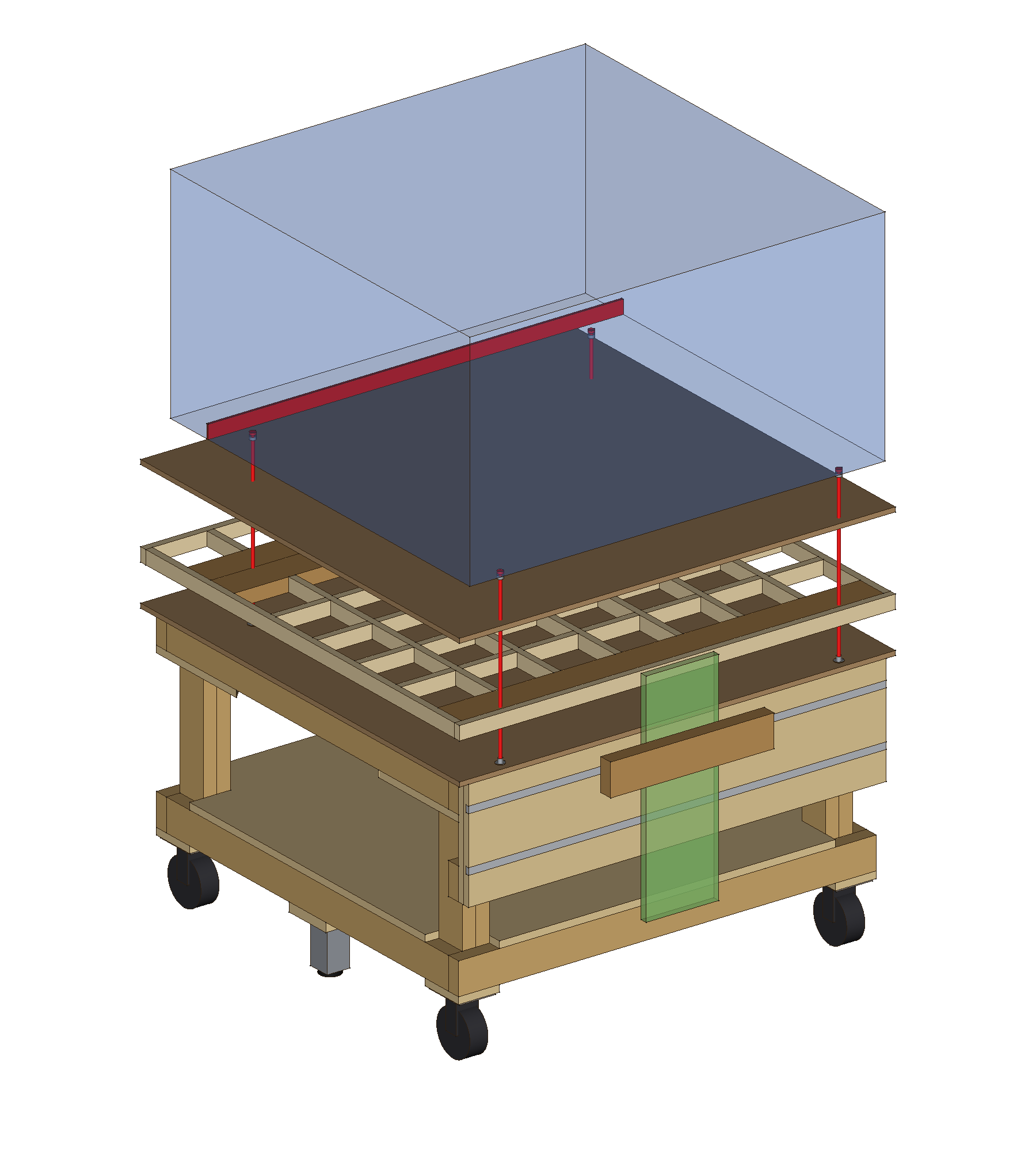
Woody is helping me with a FreeCAD design for the shop. Spark is helping me with an electronics project, an ESP32 board that will do something useful if I ever stop fiddling with it. Eden is editing my books with me, chapter by chapter, and catching the places where I wrote “feet” in a world that has never heard of them. Blit runs the local AI on the Mac mini on my desk, which makes my cover art. I call them my Grok Bot team.
None of this needs the frontier. I don’t need the model that just won a math olympiad or the one some lab says is a step toward superintelligence. Each of the big models has its own personality and strengths, at least Claude, Gemini and Grok as base models. They have evolved, and their output has gotten more alike over the year or so I’ve used them. But today I care more about the rest of the system, and what I’ve done with it, than the base model. For the work I actually do, any normal version is more than enough. In the end I think being model agnostic will be the rule, as long as the tool has a local memory and a system around it to work with. Personality will still matter, but most of us will gravitate to a good-humored, effective coworker over a sycophant.
The frontier labs can chase whatever they’re chasing. I hope they find it. For creative work, though, I think the race has already passed the point where it matters to people like me. The tools are good enough already. (My first draft said the frontier has probably jumped the shark. I still half believe it.)
The thick tail
When people talk about AI changing the world, they usually mean the top: a machine that out-thinks us, cures diseases, or remakes the economy in a decade. Maybe it will, and maybe it won’t. I’m not qualified to say whether superintelligence will rewrite the foundations of civilization.
I’m more sure about the bottom of the curve, the thick tail. That’s millions of people using good-enough tools for ordinary work. A small business owner writes a better flyer. A retiree finally builds the bookcase he designed in his head twenty years ago. A kid gets a patient explanation of algebra at eleven at night. A guy who’s been at it a while finally gets help with the editing he finds painful and could never hand off before.
None of that makes headlines, but it adds up. My bet is that the ordinary uses will change more lives than whatever happens at the top.
My father’s 1980
Here’s a test I keep running. Think about my father, Hugh, in 1980. Then think about my life now.
Day to day, it isn’t that different. We both get up, go to work or do the work we’ve chosen, drive a car, eat dinner, and talk to the people we love. The main thing that feels different is the angst. Everything is louder now.
When I look at what actually changed between 1980 and 2026, it mostly isn’t AI. I count three things:
- There are a lot more of us.
- What started in the 1950s kept spreading: cars, communications, and big organizations, the machinery of a modern life.
- Much of the world caught up to where the United States was early in the twentieth century. That’s a huge, wonderful change for billions of people. But it’s a catching up to the last century, not a leap into this one.
That’s the pattern. Big technologies don’t usually remake daily life overnight. They spread through ordinary use, one household and one shop at a time, until one day you look back and the world is different and you can’t say when it happened.
I think AI will go the same way. The revolution won’t come from the frontier; it’ll come from good-enough tools in ordinary hands.
Your turn
So here’s my question for you. Does your life actually feel different from your parents’ life at your age? Or does it just feel louder?
Tell me in the comments. I really want to know.
M.A. Harris

