Multi material 3D printing // The Engineer

20130529-214546.jpg

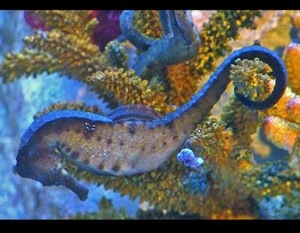
Kinda creepy actually.

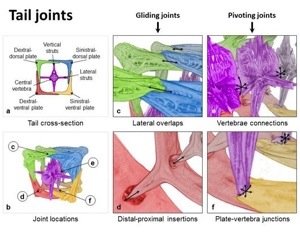
…multi-material 3D printing aims to address inefficiencies by reducing the number of manufacturing steps for one object. Compared with single material 3D printing, it allows a functional product to be created with different properties without the need to bring together components. It increases speed to market by allowing organisations to prototype increasingly complex parts and reduces waste products by using exactly the right amount of material required.

Read more: http://www.theengineer.co.uk/channels/design-engineering/in-depth/the-rise-of-multi-material-3d-printing/1016242.article#ixzz2Ujj5QP00

3rd Power Law, 0 Complexity premium, working memes for 3D Printing

20130528-112826.jpg

A 3-D printed table … with holes and all. Photo: rosemarybeetle / Flickr

WIRED http://www.wired.com/opinion/2013/05/an-insiders-view-of-the-hype-and-realities-of-3-d-printing/

3-D printing is indeed an important fabrication technology, because it has the marvelous ability to make anything regardless of the complexity of the form.

BUT

Everything from cost and time to amount of material increases exponentially: specifically, to the third power. So if we want something twice as big, it will cost 8 times as much and take 8 times as long to print. If we want something three times as big, it will cost about 27 times more and takes 27 times longer to print. And so on.

Love simplifying memes, these are two great ones that help the mind focus on the issues involved when ‘discussions’ dealing with potentials are taking place.

Also in the article:
The reminder that these are not replicators, not yet anyway.

AND

That many of the technologies enabling 3D printing are enabling CNC machining, laser-cutting, robotics and more, at DIY / hobbyist scale.

phys.org | Do-it-yourself invisibility with 3-D printing

20130506-220828.jpg

“I would argue that essentially anyone who can spend a couple thousand dollars on a non-industry grade 3-D printer can literally make a plastic cloak overnight,” said Yaroslav Urzhumov, assistant research professor in electrical and computer engineering at Duke’s Pratt School of Engineering.
Urzhumov said that producing a cloak in this fashion is inexpensive and easy. He and his team made a small one at Duke which looks like a Frisbee™ disc made out of Swiss cheese. Algorithms determined the location, size and shape of the holes to deflect microwave beams. The fabrication process takes from three to seven hours.
“Computer simulations make me believe that it is possible to create a similar polymer-based cloaking layer as thin as one inch wrapped around a massive object several meters in diameter,” he said. “I have run some simulations that seem to confirm this point.”

Read more at: http://phys.org/news/2013-05-do-it-yourself-invisibility-d.html

Well ain’t that just Harry Potter cool?

Living tissue 3D printed

First fully-cellular liver tissue 3D bioprinted at Organovo

20130503-232416.jpg

Bioprinted human liver with CD31+ microvessels (green) forming within the tissue.

Since liver cells are used in labs to test the toxicity and efficacy of drugs, these printed tissues will first serve that purpose. Soon though, a larger liver will be printed, and it won’t be long after that that printed organs will be tested in animals. It’s a short hop from there to humans.

3D printed Camera accessories for cool effects

20130430-231840.jpg

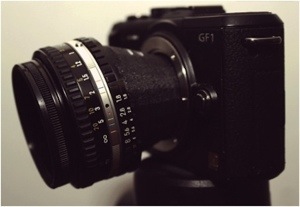
Here is a simple Tilt-Shift adapter which will attach to any micro four thirds camera body and hold a Nikon Series E 50mm lens. This adapter will creates a tilt-shift effect or miniature effect in your photos (see examples below). This is intended to be a more durable and cheaper solution than both DIY and commercial lens adapters ($2100).

20130430-231849.jpg

Printing tactile images for the blind

3D Printer | Exploring the world of 3D printing | Printing tactile images for the blind
by Cameron Naramore on April 25, 2013
20130425-190348.jpg

A “relief” is an example of what a 3D printed picture could look like.


Etchings, reliefs, contoured renderings of images. But what would a blind Rembrandt create with the right tools, ways for the sighted to gain concept for the inner perceptions of the blind? In the end this will become a new art form.

Optical Research equipment via 3D Printing, signs of things to come.

20130409-212711.jpg
Perhaps not sexy but Right On! Article discusses the huge reduction in cost enabled by fabbing ones own optical components. Once scientists were the smart and the curious exploring the world with tools they made themselves. The wave of design software and fabrication tools, much like the wave of page design software and color printers of two decades ago, presage an utter change in the ability of the Everyman ( either, any sex, age) to explore to build/create and add to the sum of Mankind’s repository of knowledge / value.

The future of exploration starts with 3-D printing | Phys.org

20130321-193246.jpg
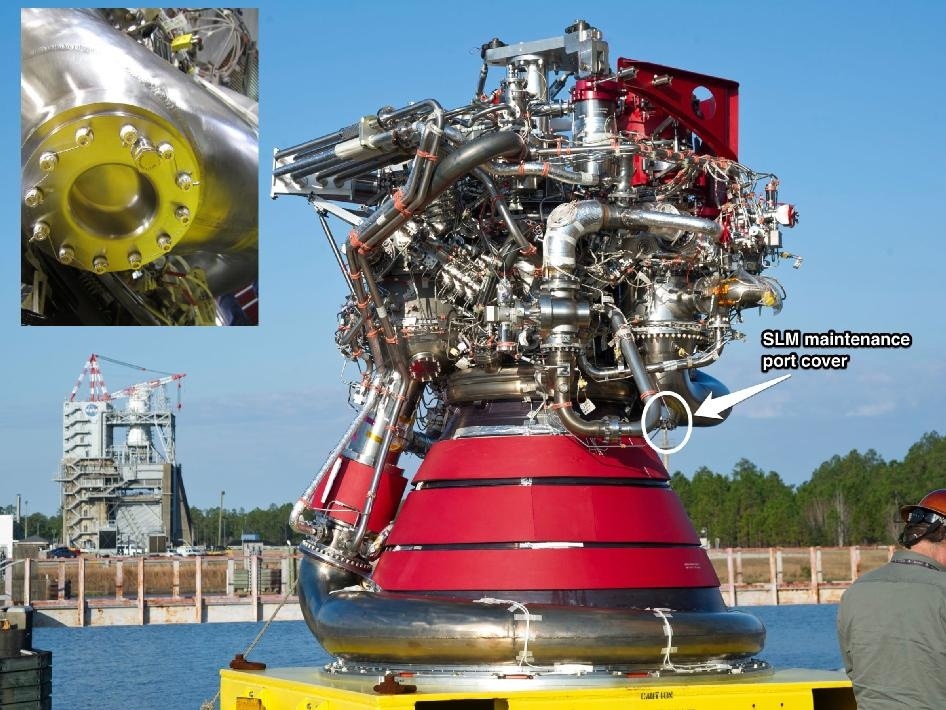
The J-2X engine before installation at the Stennis Space Center. Credit: NASA/SSC

Cool tech at NASA cutting manufacturing time from 9 months to 9 days. This is for the STS Senatorial(pork) Transportation System that I’ve no love for but proving tech like this is one of the ways that government R&D tax dollars provide broad value since success is not squirreled away as a trade secret.