We Handed Them the Market

Related video: Range Anxiety — The Unreal Reality


I’ve been involved with EV power and propulsion for much of the last 30 years. My latest stint was at Wolfspeed, developing SiC power modules for EVs and fast chargers. When the EV market stalled and the company went into Chapter 11, I was among the people who lost their jobs.

I still think EVs are the right direction. I don’t own one. That’s not a contradiction, it’s the actual story, and the video above is where I work through it.

The short version: range anxiety was always overblown for most drivers, and the auto makers never built the product mix that met the needs of the broad market. Now the industry is driving hard away from EVs, especially in the US, and that’s just wrong-headed. The video closes on that but doesn’t dig into why. This post does.


The Part That Stings

While the US was arguing about mandates and turning the issue into clickbait, China was engineering.

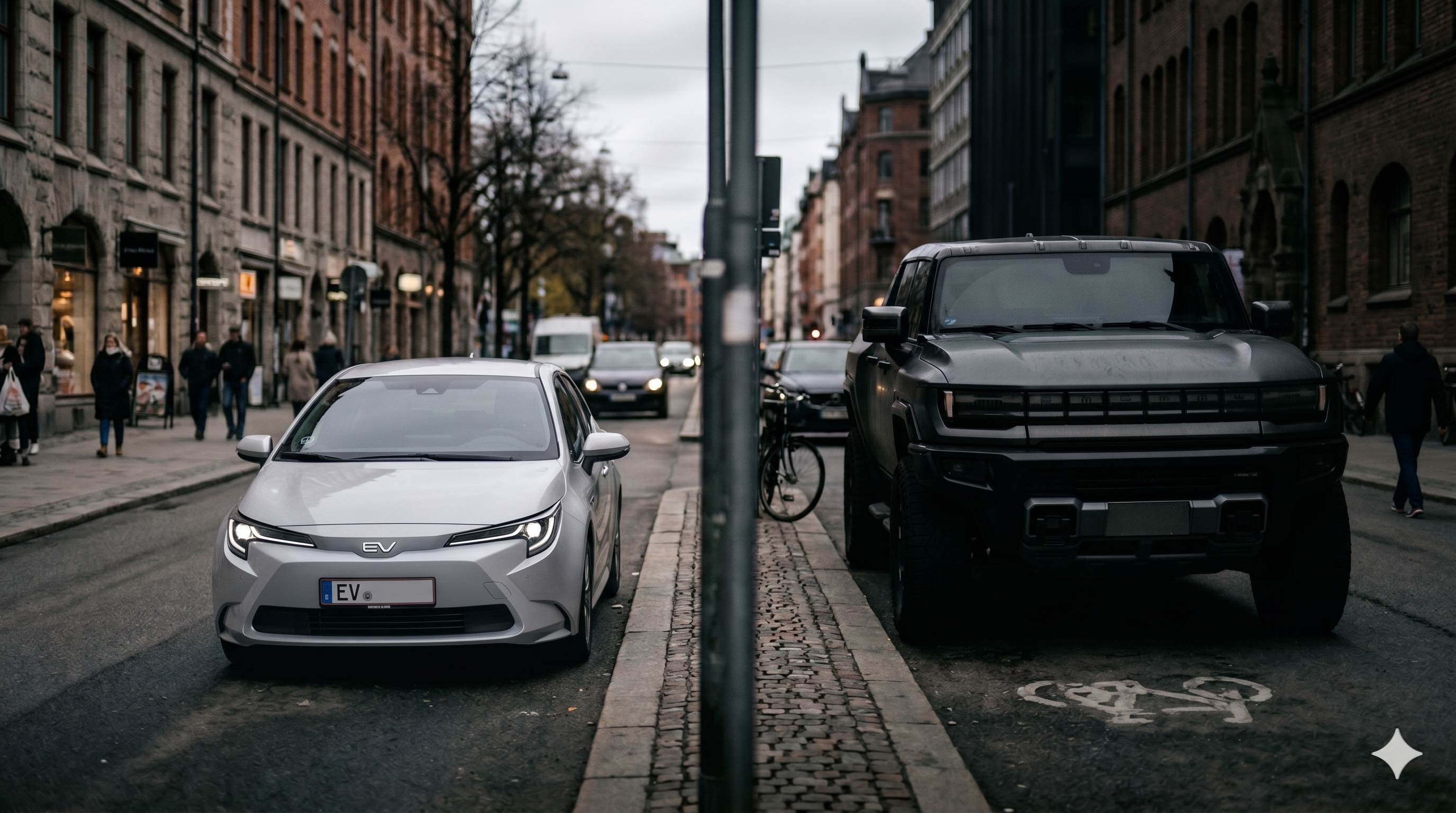
BYD is selling comfortable, adequate-range EVs in the $15–20K range. That’s the vehicle that moves the majority of buyers. Not the Cybertruck, not the F-150 Lightning, not the Rivian. A practical car at a price most people can actually consider.

We handed them that market. Not through malice or conspiracy, but through a combination of policy that optimized for the wrong things and an industry that focused on protecting its margins.

The policy pushed hard for EV adoption with mandates, subsidies, timelines. Some of that pressure was probably warranted. The market would have gotten there on its own, but the question of when and at whose expense was real. The intervention accelerated some things. What it didn’t do was direct the industry toward the product that would actually move the needle for most buyers.

The industry copied Tesla’s playbook; premium vehicles, long range, performance, high price points. That was the wrong lesson. Tesla used that model to fund the manufacturing and infrastructure investment that actually mattered. Everyone else just took the margin and stopped there.

The charger network made the same error I described in a previous video: build for the metric that looks good in the grant report, not the outcome that matters to the driver. 97% uptime. 71% charging success rate. Two different measurements, only one of which tells you whether the thing worked.


Why Big Auto Isn’t Saving Itself

I always loathed the heavy-handed government push on EVs and what I read as gaslighting on the rationale. Mandates handed down by people who had never looked at a cost model. Timelines written by committees that had no idea what it actually takes to retool a supply chain or build an infrastructure.

At the same time, I think some intervention was warranted. Not because the market was wrong about EVs, but because the market was optimizing for the next quarter. And the externalities of the status quo were landing on people who weren’t in the pricing model.

Intervention at scale creates dependencies. The industry made bets premised on the government backstop continuing. When the political environment shifted, those bets didn’t just look bad, they collapsed. And the response has been to drive hard back toward gasoline, as if that solves anything.

US old-line auto companies have been struggling for decades, and the reasons are structural. They’re trapped by regulatory capture and built-in costs that make adaptation nearly impossible.

Start at the sales end. Their dealer networks are regulated state by state, which makes wholesale change all but impossible. Safety regulations run through a system where insurers push regulators to require improvements that the industry develops partly because those improvements push up vehicle margins. Manufacturing plants are at their core decades old, and the capital they represent sits on the books, write it down and you impair the balance sheet. Design is path dependent by habit and incentive: most changes are incremental tweaks to last year’s platform because that’s easy, cheap, and legible to accounting.

And the margin structure makes it worse. Bill-of-material cost for a vehicle increases slowly with size and content. Market value is largely bling-dependent. So the incentive always points toward large, well-fitted vehicles where the spread is widest, and away from the small practical vehicle where there’s almost none.

Meanwhile, the manufacturing model has already been cracked. A new generation of EV makers proved you can build at scale in the US, turn a profit, and drive down the cost curve without the legacy overhead strangling the old players. Big Auto is watching that happen and still can’t follow, because the legacy network isn’t just a cost problem, it’s a constraint on every decision they make.

Moving back to gasoline doesn’t fix any of this. It may help sales volume near-term, but fewer and fewer buyers are willing to pay up for big iron, and as the recent spike in gas prices reminded everyone, the cost of operating a gas vehicle is not as predictable as it felt a few years ago.

The wholesale abandonment of EVs is as wrong-headed as the mandates-first push that preceded it. You’re walking away from the future as it’s getting its feet under it, and you’re not fixing your actual problems in the process.

Different direction, same failure mode: optimizing for the political moment rather than the real problem.


What I Expect to Happen

The market will keep sorting this out despite the policy environment, not because of it.

Amazon is sponsoring the Slate, a small electric truck aimed squarely at the price point where the volume is. Ford is talking about smaller, value-forward platforms. The product mix gaps are starting to fill in, and the players doing it understand they have to meet buyers where they are, which is around $20K for a vehicle that’s good enough and built around what EVs actually do well.

BYD is a harder question. It was built on the back of Chinese state support and practices that wouldn’t survive scrutiny elsewhere, but that doesn’t change what it demonstrates: a level of technical maturity across product fit, design, and manufacturing that very few other automakers can match. Tariffs and regulatory barriers will slow it down. They won’t hold permanently. Some form of that capability will find its way into the US market, and when it does it will accelerate the shakeout that’s already coming for Big Auto.

Charging infrastructure will improve in the corridors where the economics support it and stay thin everywhere else, and that’s how it should work. Where it’s thin, the economics will eventually pull in local investors, the same way any other service infrastructure fills in. It won’t be fast, but it will happen.

The transition will come, just slower and more expensively than it had to be. The destination is probably the same. The cost of getting there is substantially higher, and much of the value being created will go to manufacturers who aren’t American. That’s the envelope effect of all the intervention and counter-intervention stacked on top of each other.

The engineers mostly knew it was going to be complicated. Technical change at a social scale always is. The complicated part is rarely the technology.


Mark Harris is a systems and mechanical engineer, recovering from a career in EV power electronics, and the author of Stranded in the Stars (Book One, The Sea of Suns Trilogy). He writes about engineering, technology, and the creative life at This World and Others. The Unretired Engineer is on YouTube at https://www.youtube.com/@Scifiengineer-09

For 40 years I was an Engineer 15 of which was remote. It’s a tool not comfort food.

The Systems Engineering of Remote Work: A 40-year viewpoint
https://youtu.be/K6ntv7cWEn0

After 40 years in the industry—from the 13-acre “Industrial Beast” Naval Avionics Center in 1982 to project leadership of global power electronics projects, with long stints working from a home office—I’ve seen the data. In this video, I break down why the “Return to Office” debate is often a struggle against Sub-Optimization.

Explore why the physical office provides the “Grit” required for innovation and the “Density of Learning” necessary for junior engineers, while the home office offers the “Gold” of deep work and the objective distance needed for systems integration.

Marine Tech is getting Interesting…

Stena Bulk concept “could be as impactful as containerization”

Not so much for the wings + Wind Turbines + Solar Cells but because it is not one hull but Seven (7!) each one of those sub sections is essentially a barge with a rugged locking mechanism that creates a rigid sea going hull once engaged. This way the crew and propulsion section can drop off and pick up sections either all or one or two as they make their rounds and the expensive bit gets much more use as well as being smaller and less expensive, probably safer as well.

Stena Bulk concept with main ‘sails’ retracted

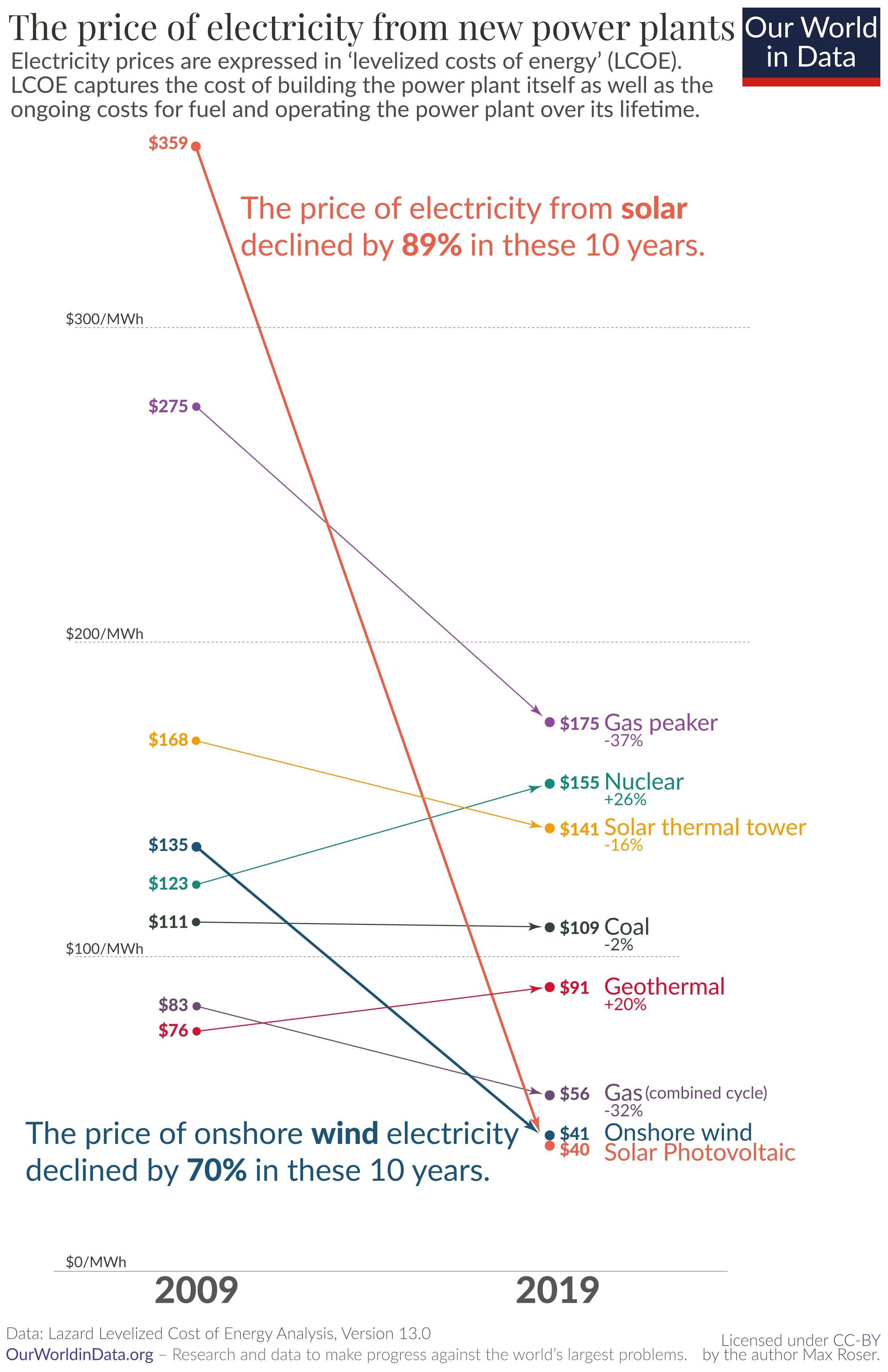
Photovoltaic…as I said, it’s real and getting more real.——Why the Price of New Solar Electricity Fell an Incredible 89% in the Last Decade

Our World In Data chart, via SingularityHub
By Jason Dorrier – Dec 13, 2020
This has been in the news but discounted in some ways utility side issues still make this a success story the utilities could do without. A couple of general downside views. Solar modules are a troubling refuse stream until recycling tech hits new highs. The cell modules wear out over time, the wear out and $payback often overlap in the wrong way. Both of these issues should ease in the coming years but you cannot discount them yet. Still this is amazing and it seemed obvious at least 5 years ago, nice that it kept on trend.

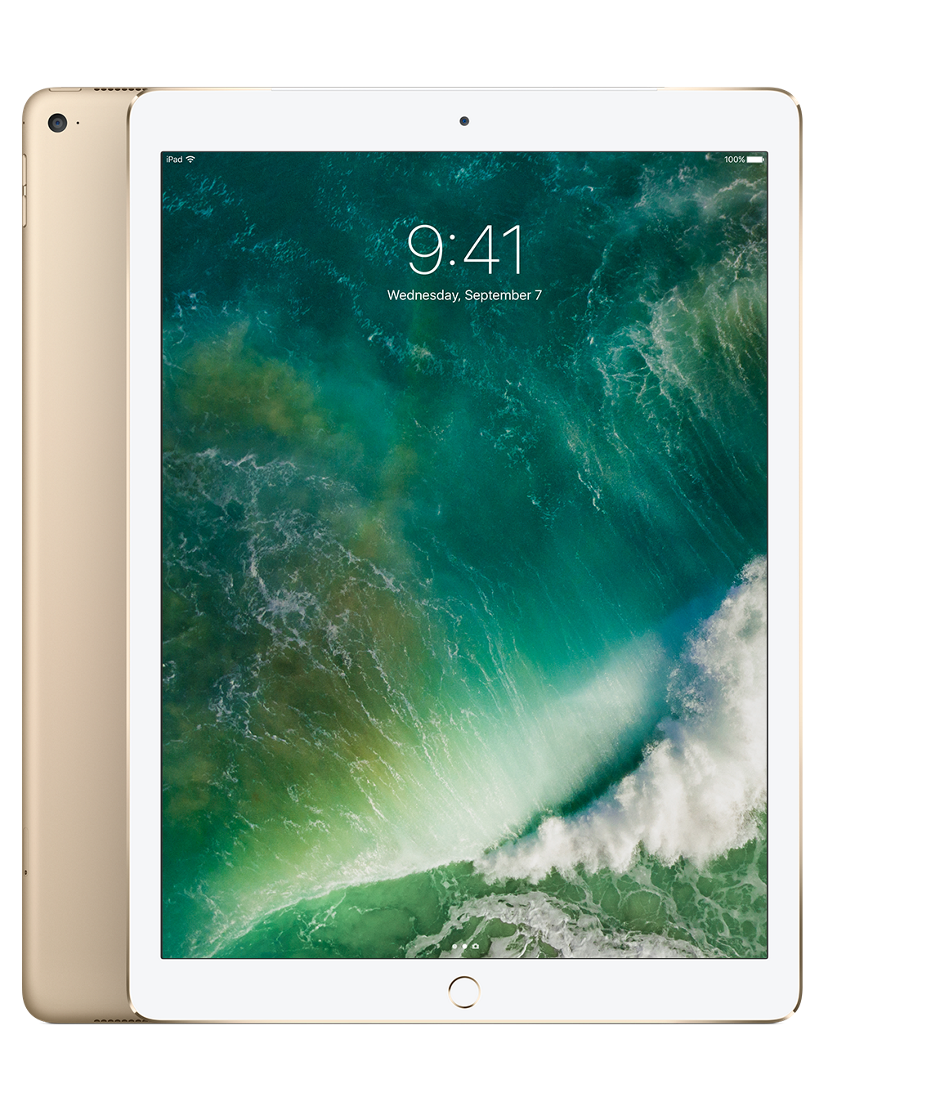
iPad Pro 12.9″ + Pencil + Keyboard Cover


Looks like any other iPad from any distance

So I’m an iPad Pro user of the 12.9″ kind and I bought the pencil at the same time.  I have been happy with the combo from the first but it has only gotten better with each update of the software.  I take notes on it with penultimate and use various drawing even engineering aps with it. I have to say that for engineering CAD I still like a mouse better but I think that could change with an even bigger pad with the Pro+Pencile experience.

the miraculous Apple pencil (usage will vary)

Recently I started to work on upping my game by learning more about modern programming languages and techniques. I find that the explosion of on line learning assets is mind boggling and the LinkedInLearning (was Lynda.com) is an endless source of nerdly enjoyment. Along with SoloLearn and other toools the world is my oyster. Except that I still don’t like the on screen keyboard, especially when I have a lesson video and programming window open.

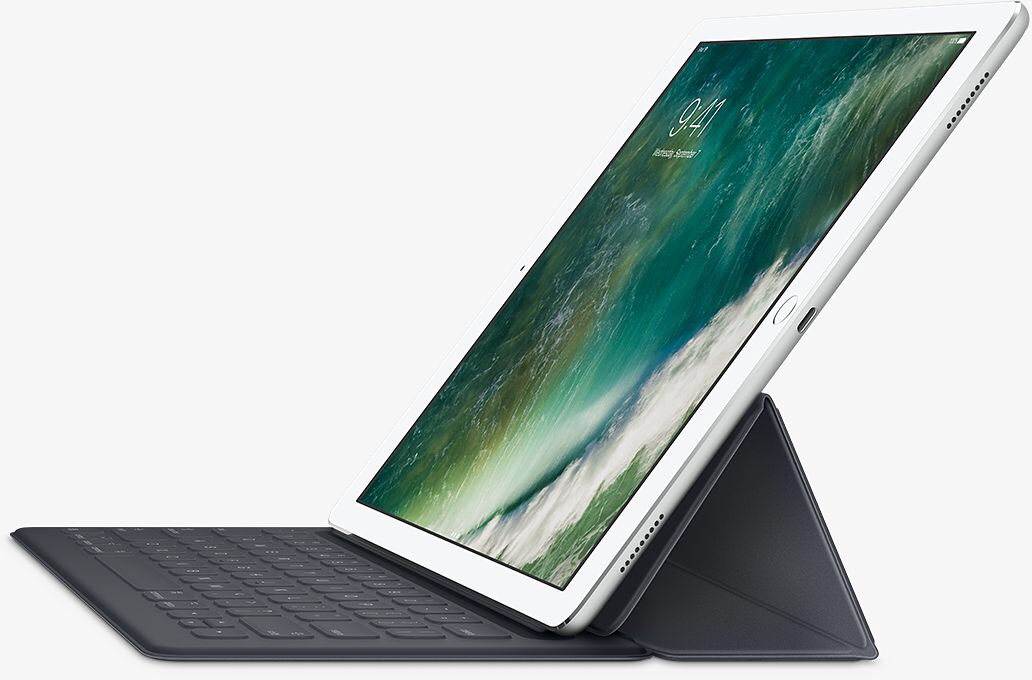
The nice if not perfect keyboard cover

I read all the horror stories and kudos and tend to side with the latter. The keyboard is actually pretty good for touch typing (and I know my stuff I write novels, several million words worth, on ThinkPads, sometimes Dell, I buy Leonovo because the keyboards are great and the chassis rugged.) THe package is short enough to sit easily on a tray or on my lapdesk. It’s not awfully heavy (just a awkwardly heavy) and I do in fact change covers frequently, using the plain one when I’m not planning on doing education or writing.

While the combo is not a laptop replacment it is a surrogate of sorts. I’m an addict I know it, I use up 50-80% of the battery almost every day I read fiction and history as well as watch/listen to educational stuff, I spend way too much time on Verge, Wired, Space101, Phys.org, Instapundit and others. With the pencil and the keyboard its essentially a library equivalent briefcase about the size of a thick magazine.

Macworld and others are saying that Pro2 is coming out in the next year, along with a 10.N” and mini 7.N.”, also rumors of a cheap seat. I have to wonder if this is really a refresh of the line, three or four sizes across that range makes sense and I think having the capability to use the pencil and a keyboard cover make a great deal of sense for the line. Not sure about the entry level rumor, does not seem very Apple to me.

Macworld also mentions that in 2018, when the iPhone is probably going AMOLED and possibly bezzless, the Pro line will as well. My question is why not the whole line though the potential for a staged role out of the technology like the alternate year tempo with the iPhone makes sense.

All I can say is that if there is a a New Pro in 2018 with AMOLED flex panel probably smaller overall dimensions and lighter…please keep the battery life the same or make it better…hear me Apple, please!?

iPad Next

Still waiting for the next iPad. Having used an iPad from its second year on I have decided that it really, really needs an update in the usage department.

What do I mean?
I really have tried to use my iPad to take notes and to do real work, I have a blue tooth keyboard but it requires a table for me to use and is one more item to carry.  Really one needs pen, audio as well as keyboard input, and to be honest I would like keyboard and mouse input because the damn screen is not as easy to interact with as a mouse for heavy writing/editing.

For note taking I worked with just a stylus with several note taker apps but the poor wrist rejection and poor accuracy of the stylus make the payoff poor given the effort it takes to use well.  I bought the Jot blue tooth stylus and its accuracy is absolutely abysmal and the ‘feel’ of the hard nib on glass just sucks.

My little Moleskin note-book is better than the iPad.  It would seem to me that one could create a very useful iPhone size note pad if the screen were a little draggy like pen on paper and the accuracy of the stylus was as good a pen on paper.

There has been commentary about tablet sales topping out, especially iPad sales.  I think that’s because a lot of people who thought they could use the iPad or equivalent as a more general computing tool have slid back to using it as a consumption device and that makes the cost of these high-end devices too high.

To pick up more users and re-energize those of us who have found ourselves slipping into a reader only mode the iPad needs to replace the note pad.  That means the useable surface needs to expand to something more like 8.5 x 11 and it needs to have a high accuracy high feel-quality stylus. Letting the Surface Pro 3 and the Galaxy Tab S go without a strong response will slide the iPad into a lesser position and let MS retain and perhaps expand its Business core. It could even kill the iPad Air sales entirely since for a pure reader the iPad mini is a better deal.

So I hope the rumour of a larger iPad is right and that it has the technology required for a high accuracy high  ‘feel-quality’ stylus.  Even better if they can do this on the iPad mini and iPhone I would expect them to be leading the pack again.

This is not to say that the non stylus start of the iPad was wrong or that the capacitive touch interface should fade.  You do not always have or want the stylus or pen, and learning the new touch interface was important but as the market matures and the users understand how they do and could use devices their wants/needs expand.  And as the Galaxy and the Surface demonstrate to some degree the stylus/pen is a needed adjunct.

One thought here, sapphire might be a very good material for the right type of ‘pen’ sensor, hard enough to allow one to use a metallic tip perhaps?


I gotta say it: The iPhamily refresh I want…

Have to say that the finger print sensor on the iPhone 5s is really a great idea and somewhat unobvious.   As always it was the quality of integration and superior tech selection that gave it the Apple imprimatur.20130911-121516.jpgNow we have a projected 4.5 – 4. 9 in iPhone 6 and possibly an iPhone max at 6 in, and iPad max (Pro?) at 12.9 in.  This is the Samsung version of innovation not Apples.

One of the things about the Apple sparked smartphone race is the well noted but sometimes missed integration of an absolutely crazy (by standards of 6 years ago) set of sensors in every unit.  The iPhone and its genetic descendants are sensor rich platforms that software, skins and blivets modify for an uncountable number of applications.

Apple has identified a key (and missed it with the 5c) people want ease of use, ruggedness, power and flexibility so they can personalize their technological jewel and use it to enhance their life.

SO?

Follow the logic:  Make it more general purpose, more flexibile, more rugged, more capable, easier to skin, easier to add plivets to, while staying bullet proof.

Sizes:   I would think about the iPhone/pad Family:  4″, 4.5″, 6″, 7.9″, 9.8″ and 12.8

Screen size:  I think apple needs to push the screen to the edge and around the edges of the frame [on the smaller models] at least on one side, to enable side scan and programmable side switches.

Physical buttons: Minimize, three in total all programmable though one will need a hard wired on/off/reset function.

Physical buttons, the center finger print sensor [an iconic item that got its start with the iPod. ] :  Bury it under the face and make it part of the functional screen, or make a cutout in the screen for it   [that would be a real game changer style wise and make the tech maximalists scream bloody murder. [Do it for the front camera and speakers and some would go up in spontaneous fireballs.]

Radio:  Every unit should have WiFi and Phone / Data functionality built in.  Work with the pipe suppliers to get them to do what they should want to do, enable the use of Phone/Data flexibly so people get hooked.

Protection:  The smaller units should have a sapphire screen to add even more ruggedness.

Cameras:  Apple, keep up the good work, quality over quantity and work with the guys who want to add specialist lenses to provide more and more camera functionality. The two cameras in the iPhone are key, critical tools in its bag.  I love photos, love cameras but they are doomed to become a relatively rare specialist device.

Speakers: Need to be better, stereo, along with stereo microphones to add acoustic sensing to the repertoire.  Maybe one should put the speakers on the face?

Inductive charging: not in already, really?  Understood its bulky but its needed for the next level of rugged etc.

Waterproof….ehe…the question is how to do the speaker connection (assuming inductive charging) I think one can make the connector waterproof and I don’t think its a problem unless you get salt water in it, in which case some kind of sensor to make sure its not leaking current. [I think that the audio jack is going to last a lot longer than maybe it should.  But I will hope Blue Tooth makes cable-less headphones the standard in 5 years or less.]

Oh well, guess I will wait to see where Apple goes, I hope they see their premier post PC tool the way I do.  Maybe they have even better ideas, we can always hope.

XUBUNTU, what’s a XUBUNTU?

It’s a flavor of Linux, Ubuntu one of the big cat’s in the Linux pride these days with a little mousy desktop called xfce as the front end. It’s not exactly Windows or MAC OS but it’s a bit like both in some ways and different in others.

So why do I care? Well I have this old Thinkpad T42 I have done millions of words on (the A key is etched down into the plastic the S and D are mostly gone and the backspace is a bit finicky these days.  The Battery is long gone.  It’s run Window’s XP its whole life up till now.  But it and Office 03 ran slower and slower and slower as time progressed.  Around six months ago I got so fed up that I shut down the WiFi and stripped out all the superflous software anti virus, firewalls etc, etc.

This brought the T42 back up to being a very nice writing tool. But I had to sneaker net it and use my iPad as my web research link. This worked but I found that I was doing less writing since I have a life and getting into the frame of mind to write and keep at it can be a chore.  Any (even trivial) bump tends to make it feel less worthwhile which starts a viscous cycle.  Any one who has followed this log will have noticed my blogging has decreased over the past half year or so…this is the reason for that tapering off since the T42 is where 90% of my blogging got done (it’s where this is being written.)

I love computers but hate having to fiddle any more than I want to (ego centric I know) so have read about and wondered about converting to Linux for years.  So with a machine I love but was about to become a brick, I finally figured I would give it a hack.

Tried Ubuntu straight up but my processor is so old it is no longer compatible with the loader.  Saw some suggestions about XUBUNTU and gave it a wack.  Worked first time out of the box, even handles my beloved trackpoint mouse knob in the keyboard.

XUBUNTU loads a working computer’s tool set aboard as part of the install (this is actually part of xfce desktop) the choices come from the UBUNTU ‘app’ store.  Which also loads.   The Software Center looks a lot like the old Windows Software load/remove utility but its remote + local, tracking what is available as well as what you have loaded.  Really clean interface and the load of programs are useful full function tools.
xubuntu-logoIn fact I have only loaded a couple of other pieces of software.  One was CaligraWords to see if it was better at editing huge Word03 documents than AbiWord (it isn’t as far as I can see.) As well as a mind mapping tool, Feeplane, I want to try out for organizing some of my thoughts and ideas for my novels and posts.  But the best things so far is Variety, a live desktop picture system, it pulls photos off free sites on the Web and displays them as the background.  You can do all sorts of things, from leaving them as found to making them line drawings, but what I have found is that setting it as ‘oil’ brush stroke provides a remarkably pleasant but non-distracting background.  I contributed a bit to the jar on that one (and will be doing the same for xubuntu, AbiWord and others.)

I am not totally sold on Linux yet, but I have to admit that it has been a far simpler quicker and fun process than I had expected so far.  I hope it keep up.

Build your own device Motorola’s (Google’s) next cell phone play

Motorola Announces “Project Ara,” a modular phone hardware platform20131030-225519.jpg20131030-225530.jpg

Motorola has announced a free open hardware platform for smartphones called “Project Ara.” The goal is to create a modular smartphone that would allow users to swap hardware components at will. Motorola says it wants to “do for hardware what the Android platform has done for software: create a vibrant third-party developer ecosystem, lower the barriers to entry, increase the pace of innovation, and substantially compress development timelines.”

looks cool seems reasonable for the large geek, nerd, techie, metro, hip, individualist, contingents out there. Making it rugged and relatively ‘duh’ proof will be a challenge.